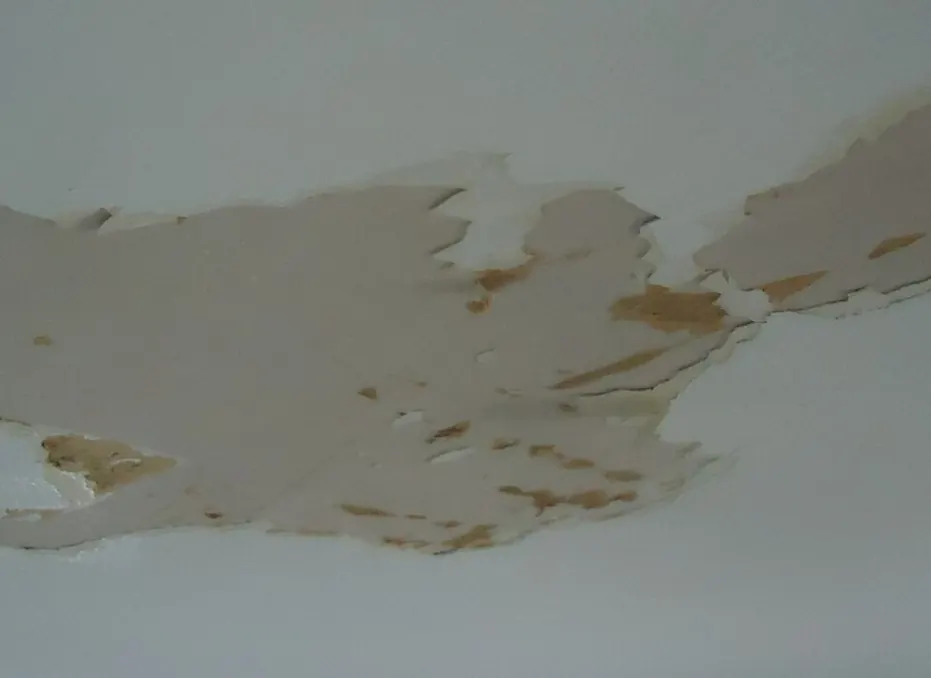
Where water claims get underpaid
Sudden and accidental water damage is usually covered; long-term seepage and flood are usually not. Once coverage is accepted, the fight is about how far the damage reaches. In water damage claim appraisal in Delaware we commonly find:
- Drying logs ignored or cut short, leaving wet materials that later grow mold.
- Flooring scoped by the room when the same material runs continuously through the first floor.
- Cabinets priced as repairable when the boxes have swollen or the finish can’t be matched.
- Drywall cut at two feet when insulation and framing above that line are also wet.
- Contents, cleaning and pack-out left off or under-priced.
Frozen pipes and winter leaks
Cold snaps in northern New Castle County and unheated shore homes in Sussex County both produce burst-pipe losses. Seasonal homes are a special case: policies may require that heat be maintained or water shut off when the home is vacant. We look at those conditions early so you know where you stand.
How we document a water loss
- Moisture readings and mapping across every affected room.
- Review of mitigation company logs, invoices and photos.
- Material identification — flooring, cabinets, countertops, trim — for matching.
- A rebuild estimate that follows the water, not the floor plan.
Frequently asked questions
Is mold covered?
It depends on the policy. Many forms cap or exclude mold, but mold that results from a covered water loss may be included up to a sublimit. Read the endorsement carefully.
The carrier wants to dry and patch. My contractor says replace. Who’s right?
That is exactly the kind of scope dispute appraisal handles. Moisture readings, material identification and matching evidence usually decide it.
Can I throw away wet materials?
Remove them if needed to prevent mold, but photograph and measure them first, and keep samples of flooring, cabinets and trim if possible.
Related services
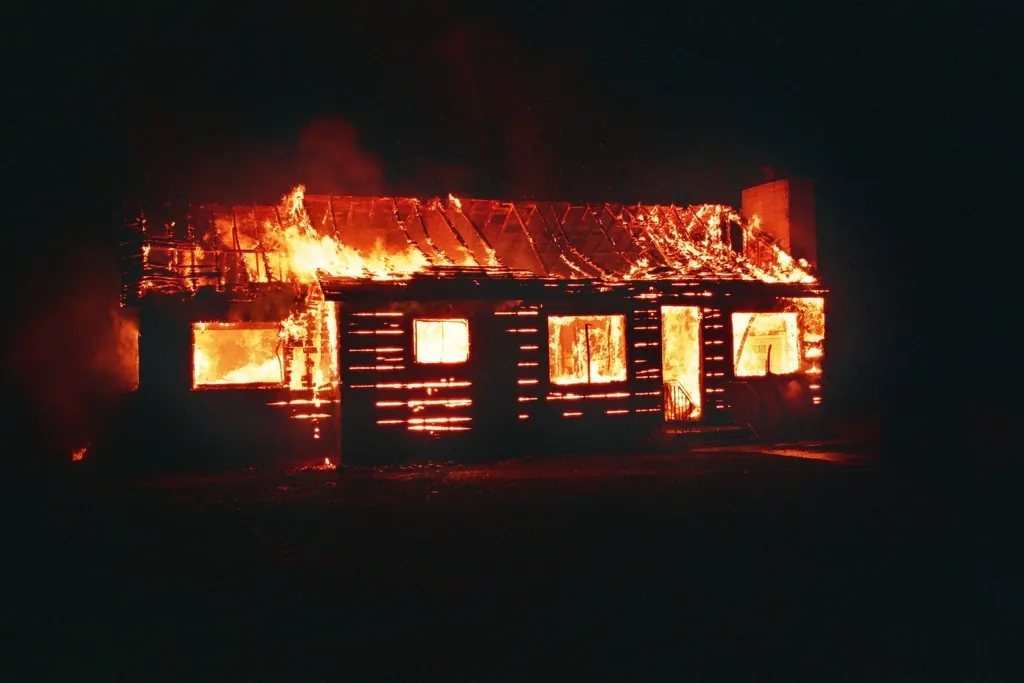
Fire & Smoke Claim Appraisal
Structure, smoke, soot and contents claims, from kitchen fires to total losses.Learn more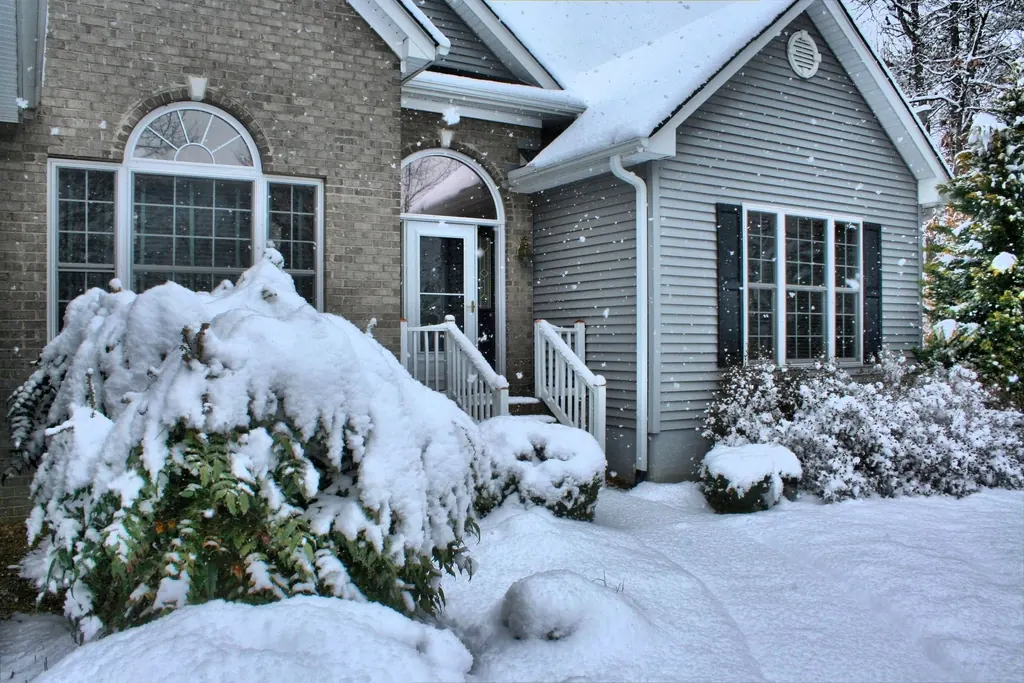
Nor’easter & Winter Storm Appraisal
Ice dams, snow load, frozen pipes and coastal wind from the storms that define Delaware winters.Learn more