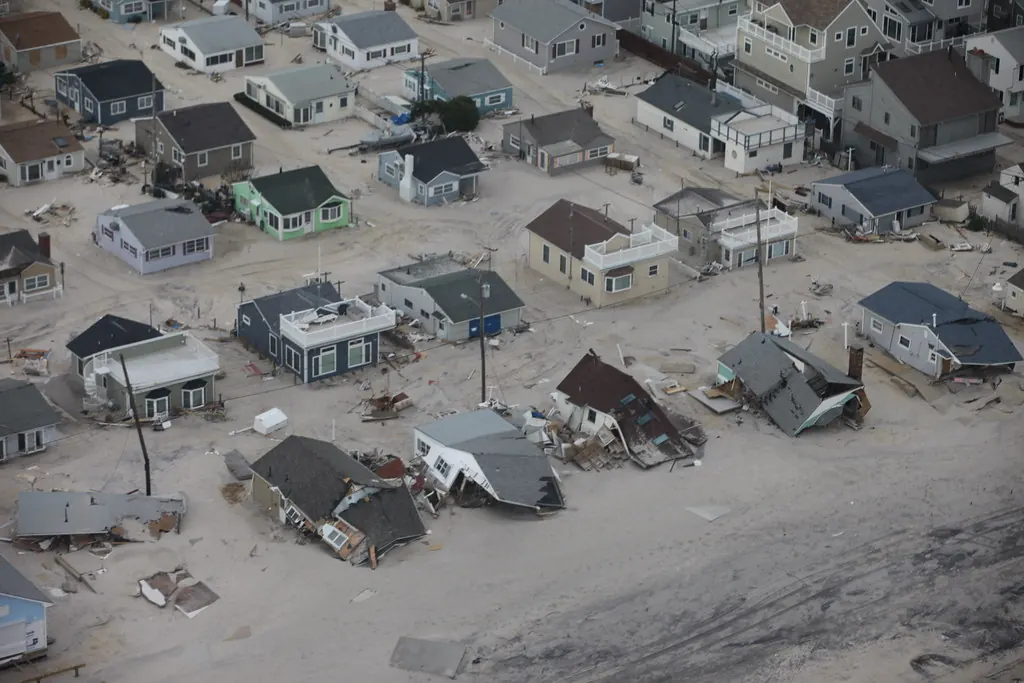
Wind or Water? Sorting Damage After a Delaware Coastal Storm
Homeowners policies cover wind; flood policies cover rising water. Here’s how to document both after a storm at the bay or the beach.

Journal · 7 min read · November 4, 2026
A sentence-by-sentence walk through the appraisal paragraph found in most Delaware homeowners and commercial policies.
The appraisal clause is one of the shortest paragraphs in a property policy, and one of the most powerful. Here’s what it typically says and what each part means for a Delaware property owner.
The trigger is a disagreement about the amount — not about coverage. If the insurer says your roof damage isn’t covered at all, appraisal usually isn’t the right tool. If it agrees the damage is covered but offers $9,000 while your contractor says $24,000, it is.
Either side can invoke it. The demand should be in writing and delivered as the policy directs. Keep proof of delivery.
You choose your appraiser and the insurer chooses theirs. Many forms require impartiality, so avoid appraisers with a financial interest in the repair. Policies often set a window — commonly 20 days — to name your appraiser.
If they can’t agree, either party can usually ask a court of record in the state where the property is located to select one.
This is the heart of the clause. Once two of the three sign, the amount of loss is set. That’s why preparation and the quality of your appraiser matter so much.
Read your own policy’s wording — forms differ. If anything in it is unclear, a Delaware attorney can explain how it applies to your situation.
Homeowners policies cover wind; flood policies cover rising water. Here’s how to document both after a storm at the bay or the beach.
Each professional solves a different problem. Picking the right one first saves time and fees.
What to check — and photograph — on your roof and in your attic after a winter coastal storm.
Send us the carrier’s estimate and your photos. We’ll tell you plainly what we see.