Appraiser, Public Adjuster or Attorney? Choosing Help in Delaware
Each professional solves a different problem. Picking the right one first saves time and fees.
Journal · 8 min read · October 28, 2026
Homeowners policies cover wind; flood policies cover rising water. Here’s how to document both after a storm at the bay or the beach.
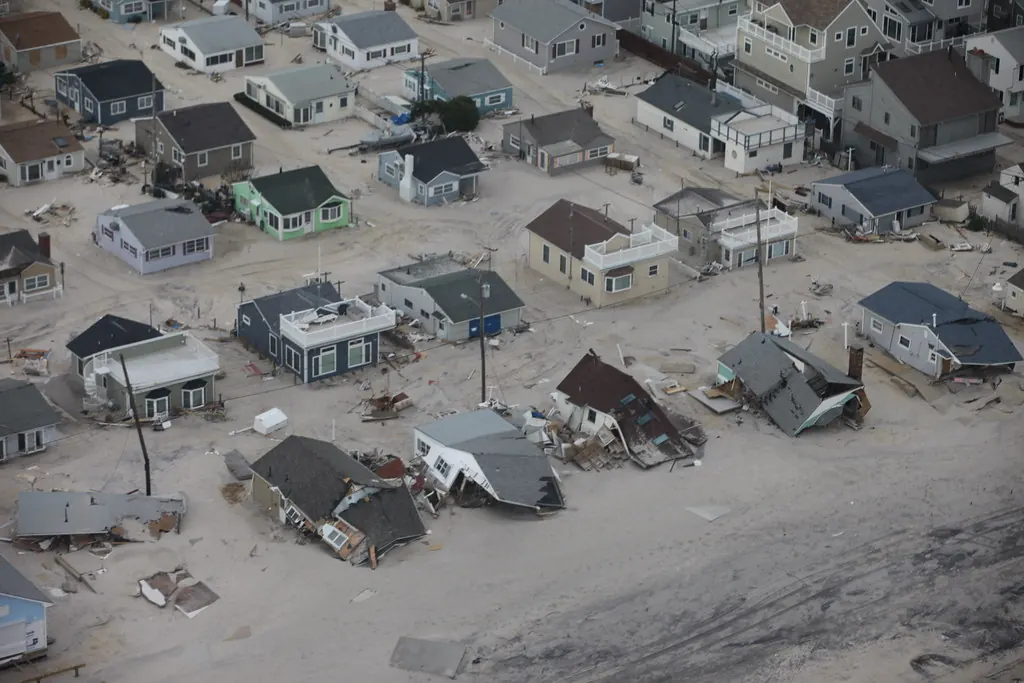
When a nor’easter or tropical system hits coastal Delaware, homes along the bay, the ocean and the inland bays often see both wind damage and flooding. Two different policies may be involved, and each insurer may argue the other should pay. Documentation is how you protect yourself.
As soon as it’s safe, photograph and measure the highest water line inside and outside the home. Note debris lines, mud and staining. This marks the limit of flood damage.
Document every opening the wind created: missing shingles, lifted flashing, broken windows, damaged siding, torn soffits. Then trace water stains in ceilings and upper walls back to those openings. That’s wind-driven rain, typically a homeowners claim.
A room can have both: flood damage below the water line and wind-driven rain damage above. Keep notes room by room, and keep damaged samples where possible.
A percentage hurricane deductible may apply to the wind portion, and a separate flood deductible to the flood portion. Our wind vs. flood split estimator shows how different allocations affect your recovery.
Flood policies have their own proof of loss requirements and deadlines. Homeowners policies have theirs. Meet both, even while you’re sorting out the split.
If one insurer denies coverage for part of the damage, that’s a coverage dispute. Talk to a Delaware attorney.
Each professional solves a different problem. Picking the right one first saves time and fees.
What to check — and photograph — on your roof and in your attic after a winter coastal storm.
Insurance estimates are dense, but the structure is predictable. Here’s what to look for on each page.
Send us the carrier’s estimate and your photos. We’ll tell you plainly what we see.